
Working Through the Pain: Healthy Alternatives to Self-Medicating on the Job
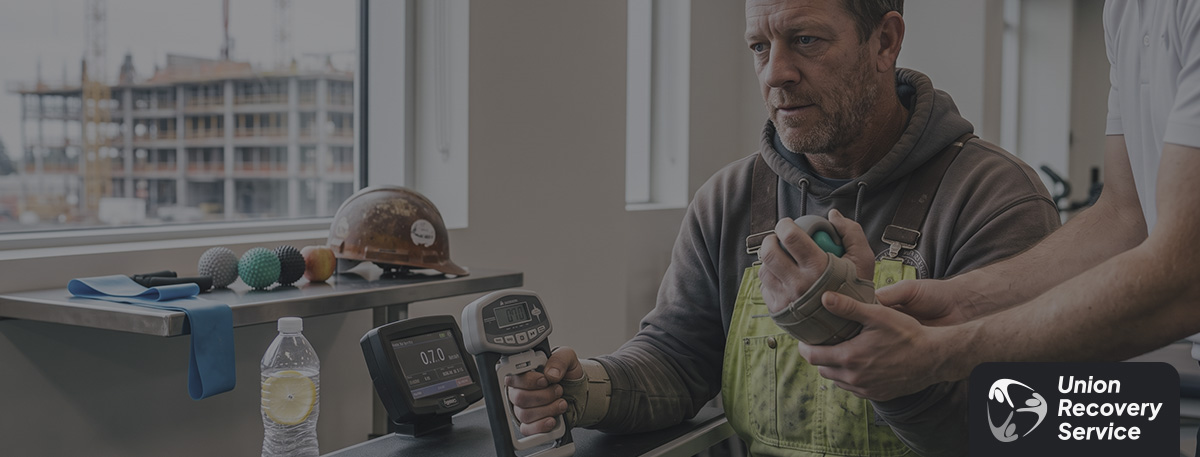
The culture of the trades is built on grit. Whether you are hauling gear on the docks, laying brick, or pulling wire, working through physical discomfort is just part of the job. But there is a dangerous line between being tough and self-medicating a serious injury.
When the pain from a bad back, blown-out knees, or shoulder strain becomes a daily grind, reaching for a chemical fix—whether it’s a six-pack of beer after shift or an opioid prescription—is tempting. Unfortunately, the statistics show that this approach often leads to dependency, job loss, and fatal overdoses.
You don’t have to choose between enduring agony and risking addiction. Here are proven, healthy alternatives to managing physical pain without self-medicating.
1. Physical Therapy: Treating the Cause, Not the Symptom
When you take a pill, you are temporarily cutting off the pain signal to your brain. When the pill wears off, the injury is still there.
Physical Therapy (PT) takes the opposite approach. A physical therapist analyzes why you are hurting. They use targeted exercises, stretches, and manual manipulation to strengthen the muscles supporting a damaged joint or spine, improving mobility and flexibility.
- The Union Advantage: Check your health and welfare trust fund details. Most union health plans cover a set number of physical therapy sessions per year. Using these benefits proactively can fix a minor strain before it becomes a chronic, career-ending injury.
2. Chiropractic Care and Massage Therapy
Soft tissue damage and spinal misalignment are incredibly common in physically demanding jobs.
- Massage Therapy: This is not a luxury spa treatment; it is medical maintenance for your body. Therapeutic massage applies pressure to manipulate soft tissues, alleviating muscle tension, improving blood circulation, and reducing the presence of substances that generate and sustain pain. It has proven especially effective for chronic back and neck issues.
- Chiropractic Adjustments: For many workers, targeted adjustments to the spine can relieve the pressure on nerves that causes radiating pain (like sciatica).
3. Acupuncture
While it may sound unconventional to some on the jobsite, acupuncture is recognized by major medical institutions as a highly effective, non-narcotic pain management tool.
This ancient practice involves inserting incredibly thin needles into specific points on the body. This process stimulates the central nervous system and triggers the release of endorphins—the body’s natural painkillers. Research supports its use for lower back pain, tennis elbow, and myofascial pain, all of which are rampant in the trades.
4. Mind-Body Techniques: Lowering the Volume on Pain
Pain is not just a physical sensation; it is deeply connected to your nervous system and stress levels. High stress (common on fast-paced jobsites) actually amplifies how your brain perceives pain.
- Biofeedback: This technique uses sensors to help you understand how your body reacts to stress (measuring heart rate, muscle tension, etc.). You then learn to consciously control these physical reactions, which can significantly reduce muscle-tension-related pain.
- Targeted Stretching (Yoga/Tai Chi): You don’t need a yoga mat or a studio. The core principles of yoga and Tai Chi involve slow, deliberate movements, deep breathing, and holding postures. These practices strengthen stabilizing muscles, increase flexibility, and calm the nervous system without the high impact of traditional workouts.
5. Nutrition and Hydration: The Anti-Inflammatory Approach
Chronic pain is often driven by inflammation. What you put into your body on the jobsite directly impacts how much your joints hurt at the end of the shift.
- Ditch the Energy Drinks: High-sugar, highly caffeinated drinks spike inflammation and dehydrate your muscles, making cramps and joint pain worse.
- Anti-Inflammatory Foods: Focus on a diet rich in omega-3 fatty acids (like salmon or walnuts), leafy greens, and whole grains. These foods naturally combat the inflammation that causes joint stiffness.
Redefining "Toughness"
True toughness isn’t destroying your liver or risking an opioid addiction just to make it through Friday. Toughness is treating your body like the essential tool it is, maintaining it properly, and knowing when to ask for professional help.
If you or a union brother or sister is already trapped in a cycle of self-medicating with alcohol or painkillers, you do not have to fight it alone.
At Union Recovery Service, we understand the physical toll of your career. Our specialized addiction treatment programs help union workers safely detox, address underlying chronic pain, and return to work healthy and sober.
Call 24/7 for Confidential Help: (858) 295-0853